Protecting Your Coastal Home: Window Film for Salt Air and Sun
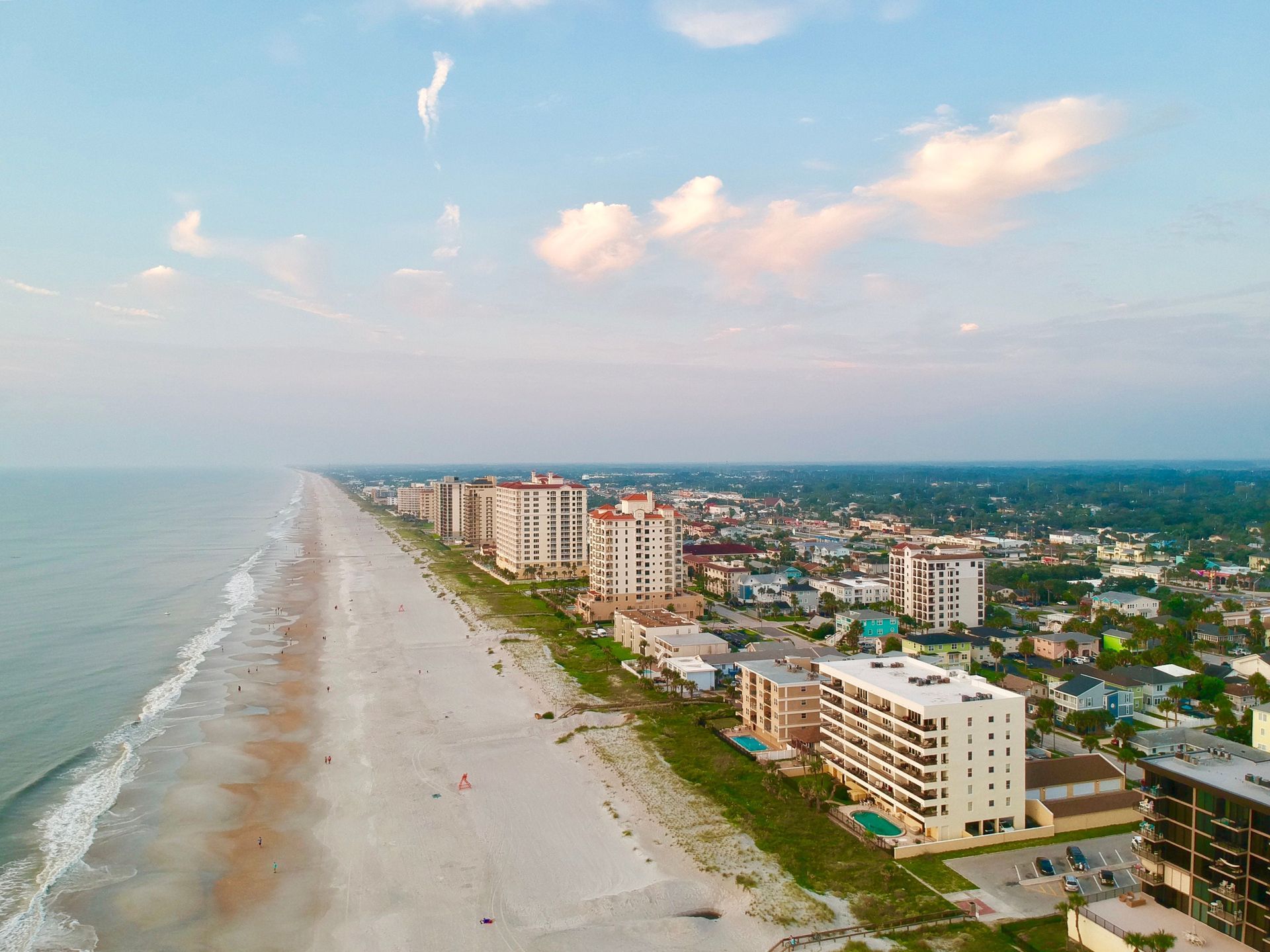
Living near the coast in Northeast Florida comes with some incredible perks — the ocean breeze, the sunrises, the laid-back lifestyle that drew most of us here in the first place. But coastal living also comes with a set of challenges that homeowners further inland don't deal with. The sun is more intense, the salt air is relentless, and your home takes a beating from both year-round.
I've installed window film on hundreds of coastal homes from St. Augustine Beach to Jacksonville Beach to Ponte Vedra, and I've seen firsthand how the coast accelerates wear and tear on everything — including the interior of your home. Here's what coastal homeowners need to know about protecting their investment with window film.
Coastal UV Exposure Is on Another Level
You probably already know that Florida gets intense UV radiation. But what a lot of people don't realize is that proximity to the ocean amplifies that exposure significantly. Water reflects UV rays, which means the sunlight hitting your coastal home isn't just coming from above — it's bouncing off the water and hitting your windows from angles that inland homes don't experience.
This increased UV exposure does real damage to your home's interior. Hardwood floors near ocean-facing windows fade faster. Upholstery, curtains, and artwork deteriorate more quickly. And if you have an open floor plan where sunlight reaches deep into the house — which many coastal homes do — the damage zone extends well beyond the windows themselves.
Window film blocks 99.9% of UV rays, regardless of the angle they're coming from. Whether it's direct overhead sunlight or reflected light bouncing off the water, the film provides consistent protection for your furnishings, flooring, and décor. For coastal homeowners who've invested in quality interiors, that protection is essential.
The Heat Problem Is Worse at the Beach
Coastal homes in Northeast Florida deal with a unique heat dynamic. On one hand, you get the ocean breeze, which can take the edge off the outdoor temperature. On the other hand, many beach homes have larger windows, more glass, and more direct sun exposure than typical inland homes. Builders design coastal properties to maximize views, and that means more glass surface area for the sun to heat up.
Floor-to-ceiling windows, sliding glass doors, and picture windows are standard features in beach homes and oceanfront condos. Every square foot of that glass is a pathway for infrared heat. On a July afternoon, a west-facing wall of windows can turn a living room into a sauna, even with the AC running full blast.
The films we install address this without compromising the views that make coastal living special. The 3M Prestige Series and SolarGard's top-tier ceramic films reject the heat-causing infrared energy while maintaining crystal-clear views of the water, the dunes, or whatever you're looking at. You didn't buy a coastal home to close the blinds — window film lets you keep them open and stay comfortable.
I worked on a condo in Vilano Beach last summer where the owner had essentially abandoned her living room from May through September because the western exposure made it unbearable after lunch. After we installed film, she called it the best decision she'd made since buying the place. She uses the room year-round now.
Salt Air and Your Windows: What You Should Know
Salt air is tough on everything at the coast — cars, roofs, outdoor furniture, even the hardware on your front door. When it comes to your windows, salt deposits build up on the glass surface and can etch it over time if not cleaned regularly. This is a concern regardless of whether you have window film, but it's worth mentioning because some homeowners wonder how film holds up in a salt air environment.
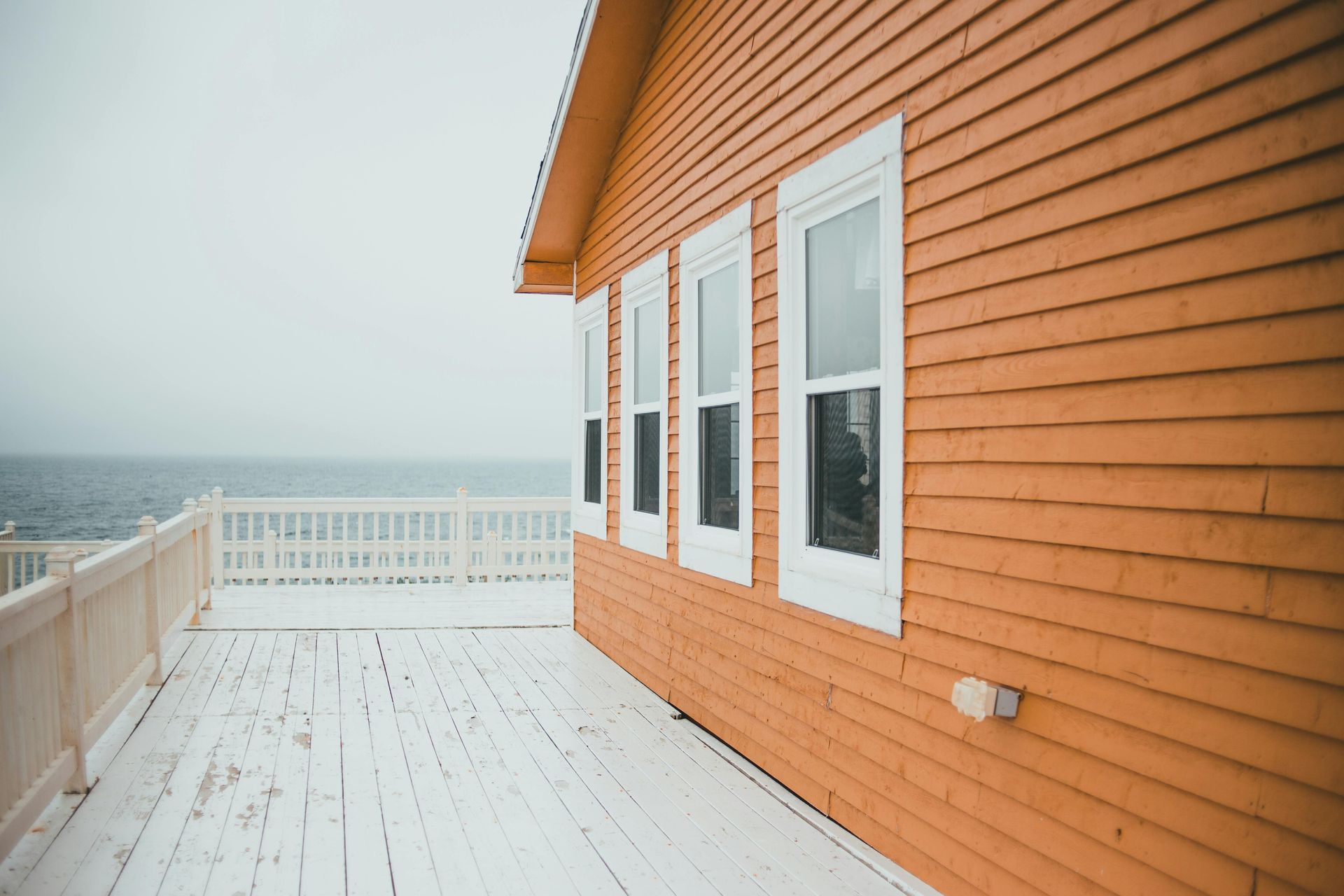
The good news is that professional-grade window film from 3M and SolarGard is designed to withstand harsh environments, including coastal conditions. The film is applied to the interior side of the glass, so it's not directly exposed to salt air, wind-driven sand, or coastal weather. The exterior surface of your glass takes the environmental beating, while the film works quietly on the inside, blocking heat and UV without any exposure to the elements.
That said, keeping your exterior glass clean is still important — both for appearance and for the long-term health of the glass itself. We recommend coastal homeowners rinse their windows with fresh water regularly to prevent salt buildup, especially after storms or periods of heavy spray. The film on the interior requires minimal maintenance — an occasional cleaning with a soft cloth and mild solution is all it takes.
Storm Season and Window Film
Coastal homeowners think about storms differently than people who live inland. Hurricane season is a fact of life from June through November, and anything that adds a layer of protection to your home is worth considering. While window film is not a replacement for hurricane shutters or impact-resistant glass, certain security and safety films can provide an additional layer of protection.
Safety films are thicker than standard solar control films and are designed to hold glass together if it breaks. In a storm, the biggest danger from windows isn't the glass breaking — it's the glass shattering into sharp fragments that become projectiles inside your home. Safety film holds those fragments in place, reducing the risk of injury and keeping the opening more intact until you can secure it.
Many of our coastal customers opt for a combination approach — solar control film for the primary benefit of heat and UV rejection, with safety film on the most vulnerable windows. It's not an either-or decision, and during your consultation we can talk through which approach makes the most sense for your specific home and exposure.
Protecting More Than Just Your Home's Interior
One thing I've noticed about coastal homeowners is that they tend to invest more in their homes. The finishes are nicer, the furnishings are more carefully chosen, and the overall aesthetic matters more because the home is part of the lifestyle. Faded floors, sun-damaged furniture, and discolored fabrics stand out more in a home where everything was selected with care.
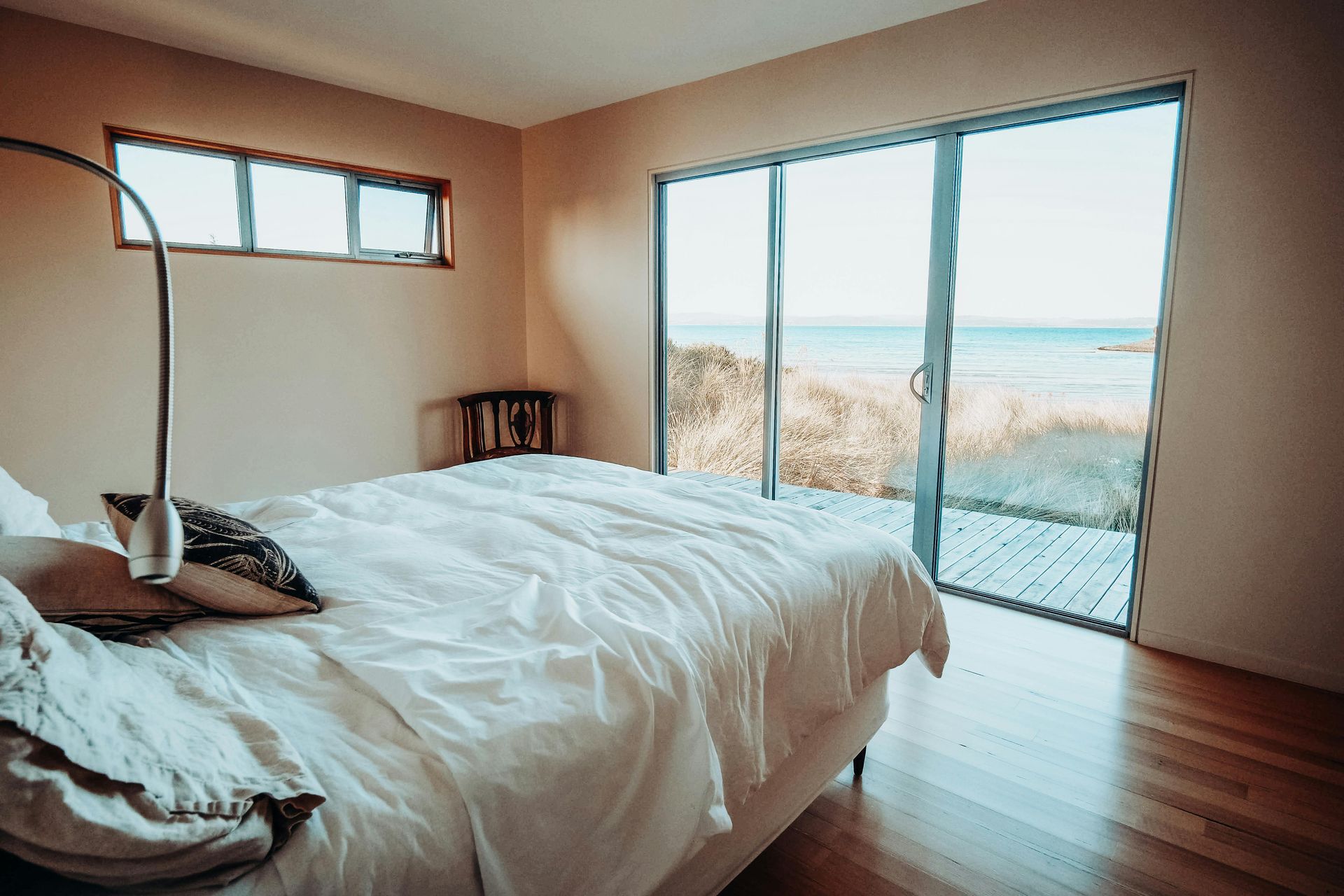
Window film preserves that investment. The UV protection keeps your flooring looking new years longer than it would without film. Your furniture maintains its color and texture. Your artwork stays vibrant. And because the film also reduces heat, your home stays more comfortable for guests, family, and the daily enjoyment that coastal living is all about.
I've seen the difference in homes I've revisited years after installation. The rooms with film still look fresh — the floors haven't faded, the fabrics haven't shifted in color, and the overall appearance is remarkably well-preserved. In the rooms without film, the contrast is often striking. The sun doesn't take a day off in Florida, and neither does the damage it causes.
Let's Protect Your Coastal Home
If you live near the coast in Northeast Florida, your home faces unique challenges that window film is specifically designed to address. From the amplified UV exposure to the intense heat gain through large windows, film provides comprehensive protection while preserving the views and natural light that make coastal living special.
Call us at (904) 580-7860 or schedule a free consultation online. We work with coastal homeowners throughout St. Augustine Beach, Ponte Vedra Beach, Jacksonville Beach, Vilano Beach, Crescent Beach, and all of Northeast Florida's coastline. As 3M and SolarGard Certified Installers, we'll help you enjoy your coastal home without the sun taking its toll.