Why New Construction Homes in NE Florida Need Window Film from Day One
I love talking to new construction buyers — not because it's easy money, but because the conversation always follows the same arc. They moved in, spent the first summer in the house, and came out the other side with a $300-plus electric bill, fading furniture in rooms that get afternoon sun, and the distinct feeling that someone should have told them about window film before closing day. If you're buying a new home in Northeast Florida right now, this article is for you.
Why New Construction Homes Need Window Film More Than Older Ones
There's a counterintuitive truth about new construction in NE Florida: the newer the house, the more window film matters. Modern builders maximize natural light — larger windows, taller windows, full glass walls in living areas, two-story foyer windows, great rooms with western or southern exposures. These design choices look spectacular in the model home in November. They're brutal in July.
Older homes in established neighborhoods have something new builds don't: mature trees. A 40-year-old live oak provides serious shade. A newly planted palm tree does almost nothing, and that's what the landscaper installs on closing day. For the first five to ten years of a new build in NE Florida, every bit of solar heat gain comes straight through the glass — no shade, no buffer, no help.
The Builder-Grade Window Problem
The windows in your new home meet Florida Building Code minimum requirements. That's it. They're not optimized for Florida's UV load, solar angle, or summer heat intensity — they're legally compliant. In a state where summer sun is essentially a second climate variable, "compliant" and "comfortable" are not the same thing.
Florida's building code sets minimum standards for solar heat gain coefficient (SHGC). But windows that pass that test are not the windows you'd choose if comfort and energy efficiency were the primary goals. Builder economics push toward windows that clear the threshold at the lowest cost, and that leaves you managing the gap. According to the U.S. Department of Energy's guidance on energy-efficient home design, windows account for 25–30% of residential heating and cooling energy use. In a new Florida build with lots of glass and no shade, that figure skews hard toward solar heat gain — and you feel it in your first summer electricity bill.
What the First Summer Looks Like Without Film
Here's what I consistently hear from new construction buyers who call us after their first Northeast Florida summer:
- The room with the western or southwestern exposure is 8–12°F hotter than the rest of the house by mid-afternoon, regardless of thermostat settings
- Hardwood or luxury vinyl plank floors near south-facing windows are already showing UV discoloration within months
- Furniture, rugs, and artwork near windows are visibly fading faster than expected
- Utility bills are $50–150 higher per month than the builder's energy estimates suggested
None of this is a surprise. It's predictable physics. The builder's energy estimate is typically based on a generic compliance model, not your specific floor plan on your specific lot in a Northeast Florida summer. The gap between the paperwork and the lived experience shows up fast.
Why Film Before Furniture Is the Smart Move
Residential window film installation is faster and cleaner in an empty room. No furniture to move, no rugs to protect, no artwork on walls — we're in and out in a fraction of the time it takes to work around a fully furnished home. That means lower labor cost and no risk of anything getting wet or dusty during installation.
I encourage every new homeowner to call us before the moving truck arrives. If you can schedule installation before furniture day, you get the fastest job, protect everything the moment it arrives, and start your first summer with protection already in place — rather than scrambling to add it after the first brutal month.
The NE Florida Neighborhoods Where This Matters Most
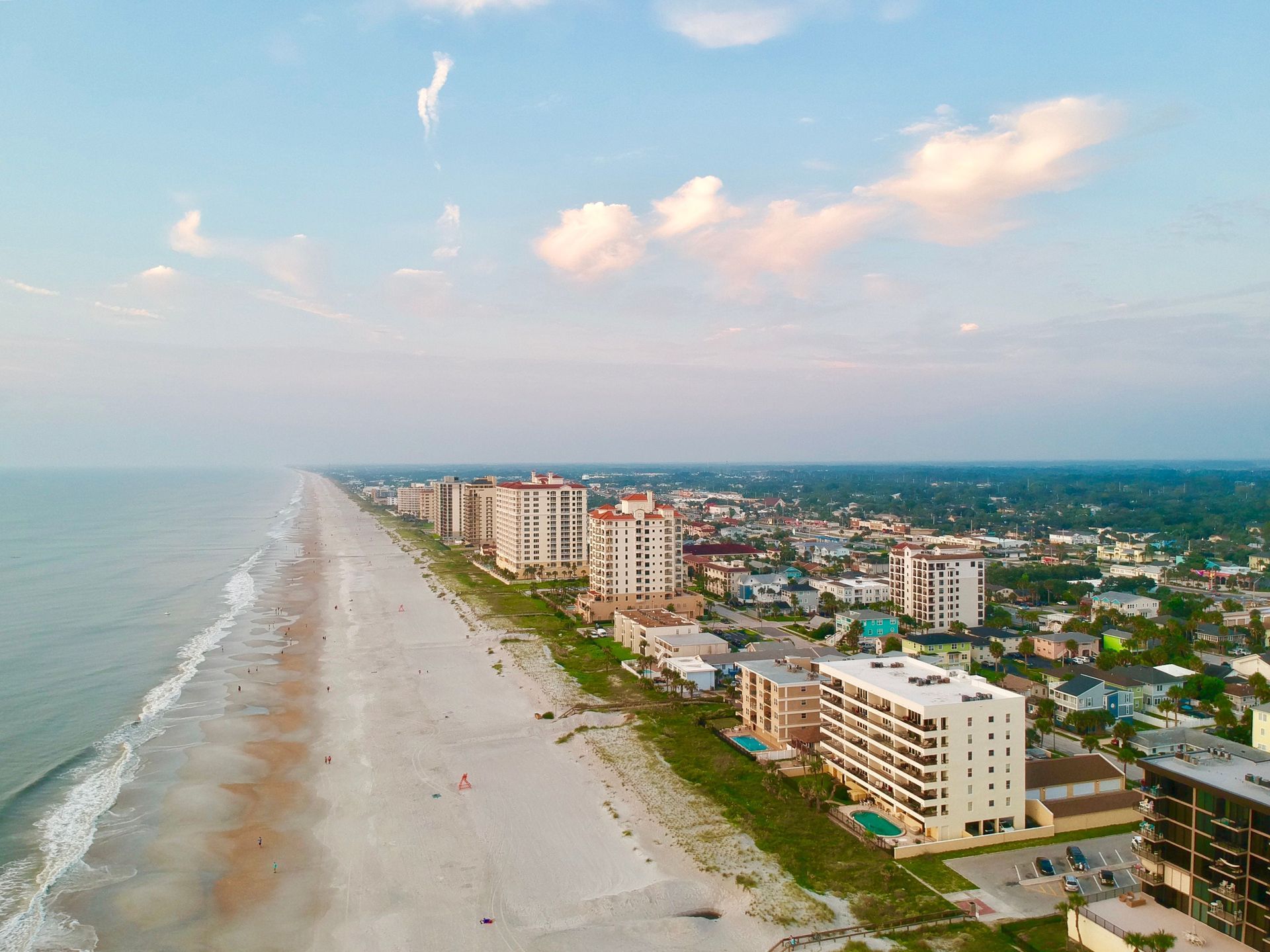
Nocatee and Ponte Vedra: One of the fastest-growing communities in Florida, with newer builds across multiple phases, minimal tree cover, and lots of homes with large great rooms facing west. The model home market is still active, which means buyers are seeing these homes in October — not July.
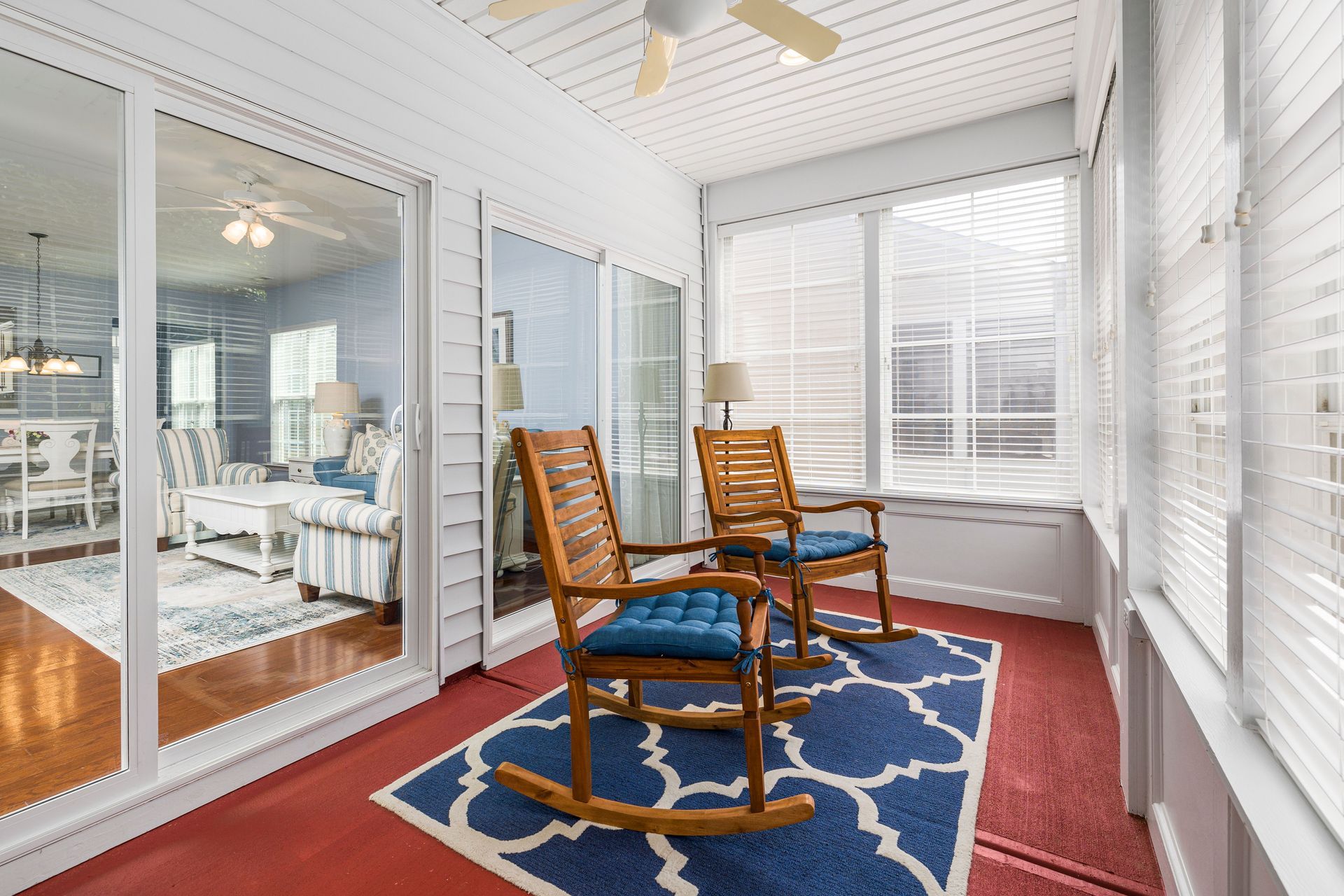
Palm Coast: Flat terrain, high coastal light intensity, and a large inventory of newer homes, many with Florida rooms that function as secondary sunrooms. We do substantial Palm Coast window tinting for new construction buyers who discover in year one exactly what I described above.
Fleming Island: A beautiful community with many homes that have significant western exposure toward the St. Johns River. Spectacular views. Tough sun management without film on those west-facing windows.
eTown: One of the newest master-planned communities near Jacksonville, with modern home designs that prioritize large windows and open sight lines. Exactly the kind of homes that benefit most from film from day one.
What Window Film Delivers for a New Build
A quality solar rejection film on a new construction home in NE Florida reduces solar heat gain by 50–75%, blocks 99% of UV radiation (the primary cause of fading in furniture, flooring, and artwork), improves temperature consistency between rooms, and reduces cooling load enough to make a measurable difference in monthly energy bills. It does all of this while preserving your view and not dramatically changing your home's exterior appearance.
If you're under contract or recently closed on a new build in Northeast Florida, give us a call. The consultation is free. I'll give you a straight assessment of what film makes sense for your floor plan, orientation, and budget — and the sooner we get in, the more protection your home and everything in it gets from day one.
— Chuck Cochran, Co-Founder & Master Installer, North American Tint