How to Make Your Florida Sunroom or Lanai Usable All Summer Long
I get calls about sunrooms all the time, and they all sound about the same: "We built this beautiful sunroom five years ago and we basically never use it from May through October." Sometimes it's a lanai with glass panels. Sometimes it's a converted screened porch with windows on three sides. Doesn't matter — if it's more glass than wall space, it's a furnace in a Florida summer. And that's fixable.
Why Florida Sunrooms Overheat — and Why It's Worse Than You Think
A typical room in your house has one exterior wall, maybe one or two windows. The sunroom has glass on three or four sides, often glass overhead too, and almost no shade from mature trees — because builders don't wait for trees to grow. So you're getting direct solar heat from multiple directions simultaneously, with nowhere for it to go except into the room.
In St. Augustine, we're at about 30 degrees north latitude. South-facing glass gets hammered from late morning to mid-afternoon, east-facing glass heats up fast in the morning, and west-facing glass gets the absolute worst of it — late afternoon sun at a low angle, brutal intensity, right when you'd actually want to sit outside. Add a glass ceiling or polycarbonate roof panels and you've built a greenhouse. I've walked into sunrooms in July pushing 130°F.
How an Overheated Sunroom Affects the Rest of Your Home
The sunroom doesn't just make that room unusable — it drives heat into adjacent living space and forces your HVAC system to work harder throughout the whole house. If your sunroom is connected to your main living area even through a single doorway, that heat load affects your energy bills all summer. I've had homeowners tell me their electric bill dropped $80–100 per month after we filmed their sunroom. That's not just from cooling one room — it's from reducing heat bleed into the entire house.
What "Solar Rejection" Means — and Why It Matters More Here
When I talk about solar window film with customers, I always explain total solar energy rejected, or TSER. It's the percentage of total solar energy — heat, visible light, UV — that the film prevents from entering the building. A standard residential film might reject 40–55%. High-performance ceramic films can reach 70% or above.
In a regular room with a couple windows, 50% solar rejection makes a noticeable difference. In a sunroom with glass on three or four sides, you need to be more aggressive. I generally recommend films with TSER of 60–75% for full sunrooms. The relevant technical framework comes from ASHRAE, which publishes the standards on solar heat gain coefficient (SHGC) and building energy performance — the science behind how window film is rated and specified.
Film Options for Different Sunroom Glass Types
Single-Pane Glass
Older sunrooms and many enclosed lanais use single-pane glass. This is the easiest situation to work with and produces the most dramatic improvement. Ceramic or carbon-based films with high TSER ratings perform exceptionally well here. Homeowners typically see a 15–25°F temperature reduction during peak afternoon heat. The change is immediate — you feel it the same day the film goes on.
Double-Pane (Insulated) Glass
Newer sunroom additions often use double-pane glass, which already provides some insulation value. Window film can still be applied, but I always check manufacturer specs first. Some high-efficiency double-pane units aren't ideal candidates for darker films due to heat absorption in the glass assembly, and some manufacturers' warranties can be affected by adding film. I'll tell you upfront what's possible and what the tradeoffs are.
Already-Tinted or Low-E Glass
Some sunrooms are built with tinted or Low-E glass that has some solar rejection built in — but often not enough for Florida. We can layer additional film on top in most cases, though I'll be conservative about film weight to avoid thermal stress. The combination of Low-E glass plus an appropriate film often gets customers to a genuinely comfortable result.
What You Can Realistically Expect After Installation
After filming a sunroom with a high-performance solar rejection film, most homeowners report a 15–25°F reduction in peak afternoon temperature, the ability to actually use the space in summer and fall, noticeably lower energy bills ($50–120 per month in peak months), significant UV reduction that stops fading of furniture and flooring, and a room that finally feels connected to the rest of the house rather than something to avoid.
I'll be straight with you: film won't make a sunroom feel like an air-conditioned interior room on a 98° day in August. If you're sitting in direct sun at 3pm with no overhead shade, it's still going to be warm. But the difference between "can't be in here for ten minutes" and "comfortable enough to read, eat dinner, or work" is exactly what these films deliver — and that's a meaningful change in how you live in your home.
What I've Seen Firsthand on St. Augustine Sunroom Installs
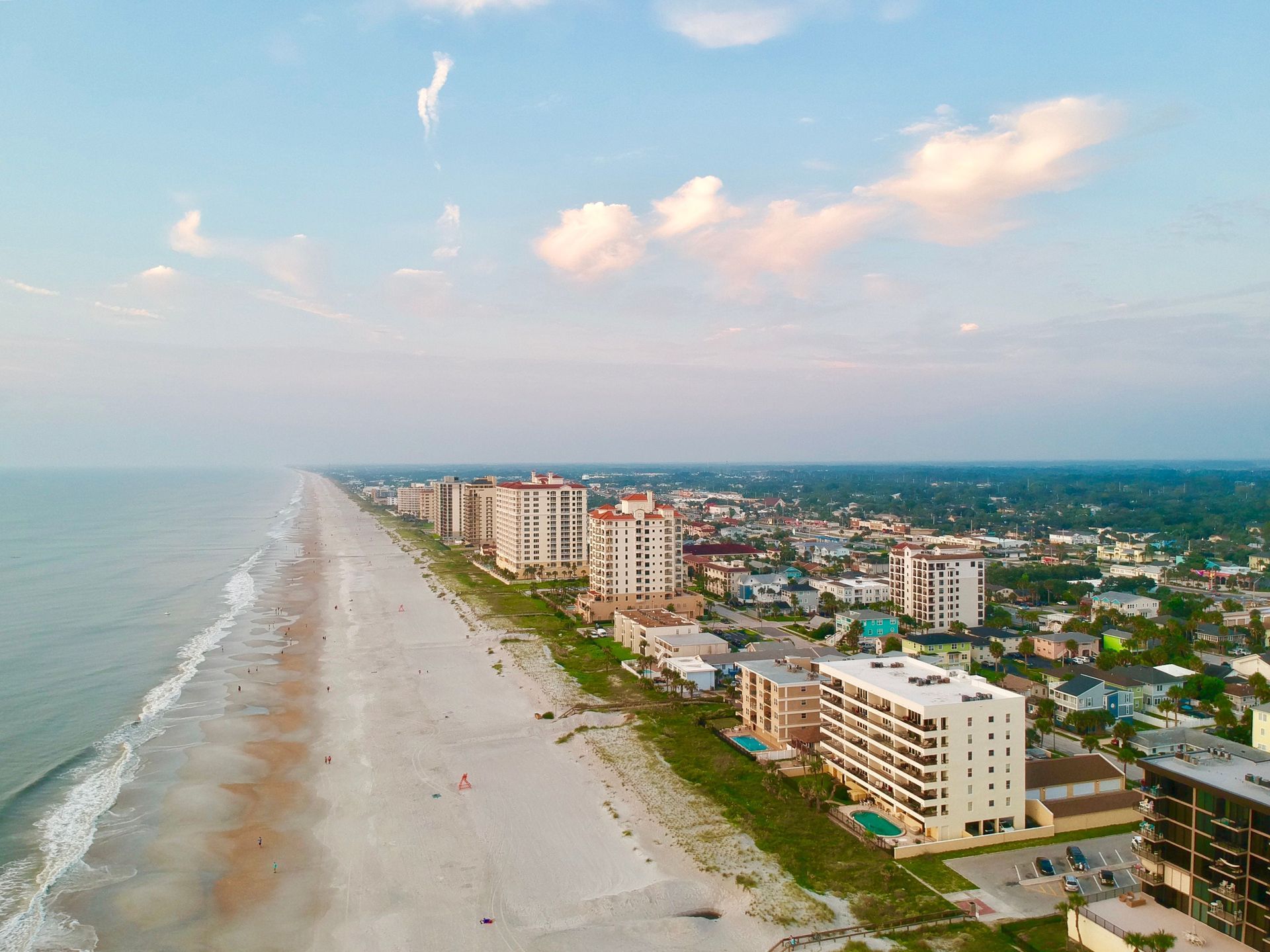
We do a lot of sunroom work throughout this area — Ponte Vedra, World Golf Village, Palencia, Nocatee, and the older neighborhoods around the historic district. One pattern I keep seeing: homeowners wait two or three years to call us because they assume film can't make enough of a difference. Then they go through the installation, and they tell me they should have called on move-in day.
For residential window tinting in St. Augustine, the sunroom is one of the highest-impact installs we do. The return is fast, the improvement is immediate, and it extends the useful life of everything in the room — furniture, flooring, electronics, all of it. If you've got a sunroom you're not using, call us. I'll come look at it, tell you exactly what film would work for your glass type, and give you an honest assessment of what to expect. That conversation is always free.
— Chuck Cochran, Co-Founder & Master Installer, North American Tint