What the Florida Sun Is Doing to Your Floors, Rugs, and Furniture Right Now
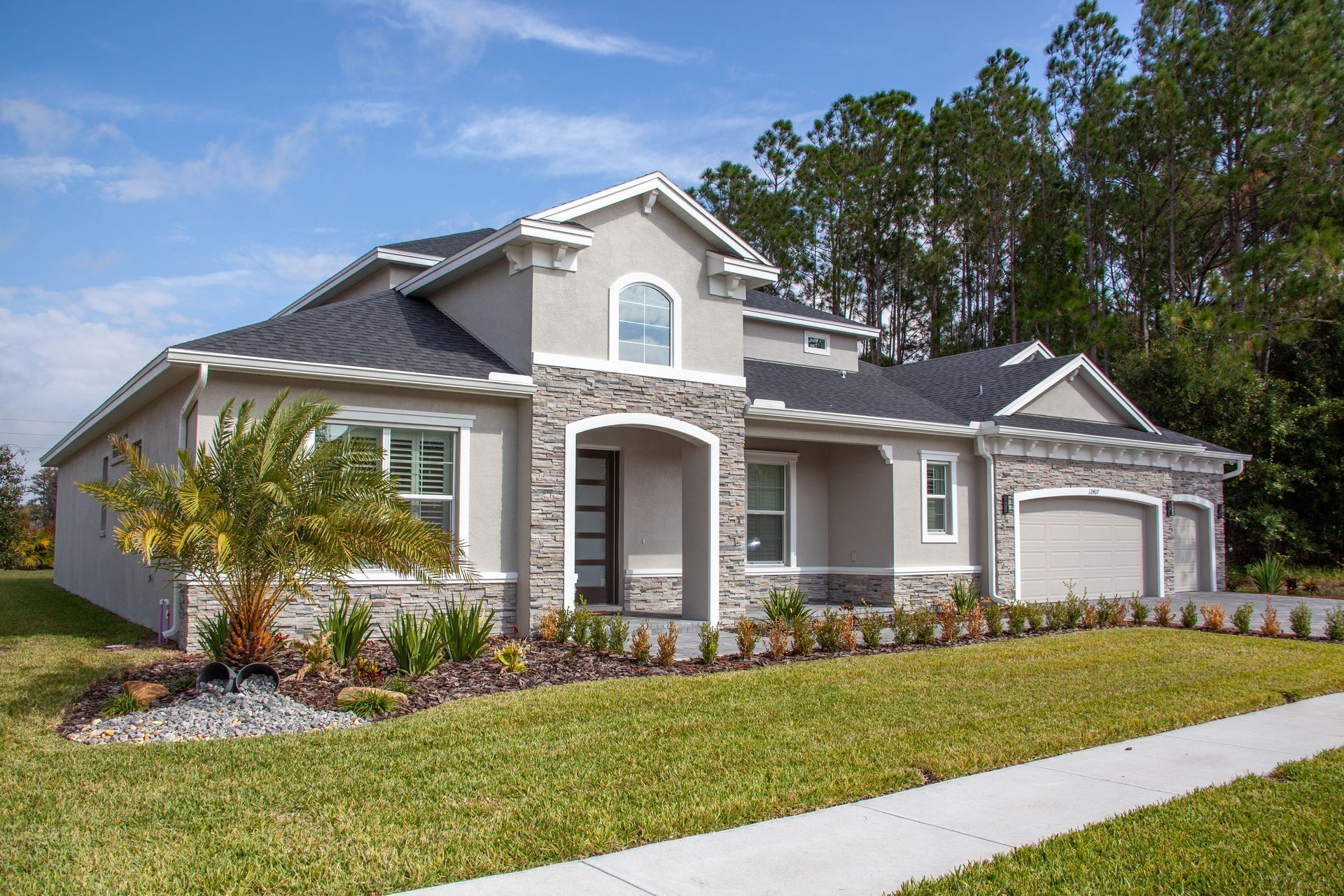
I walk into a lot of Florida homes where the homeowner has no idea their possessions are quietly being destroyed. They see a beautiful sunlit room. I see bleached hardwood, a fading area rug, and artwork that's losing color saturation month by month. The sun looks the same coming through the window whether it's doing damage or not — that's what makes UV degradation so insidious. By the time you notice it, significant damage has already been done.
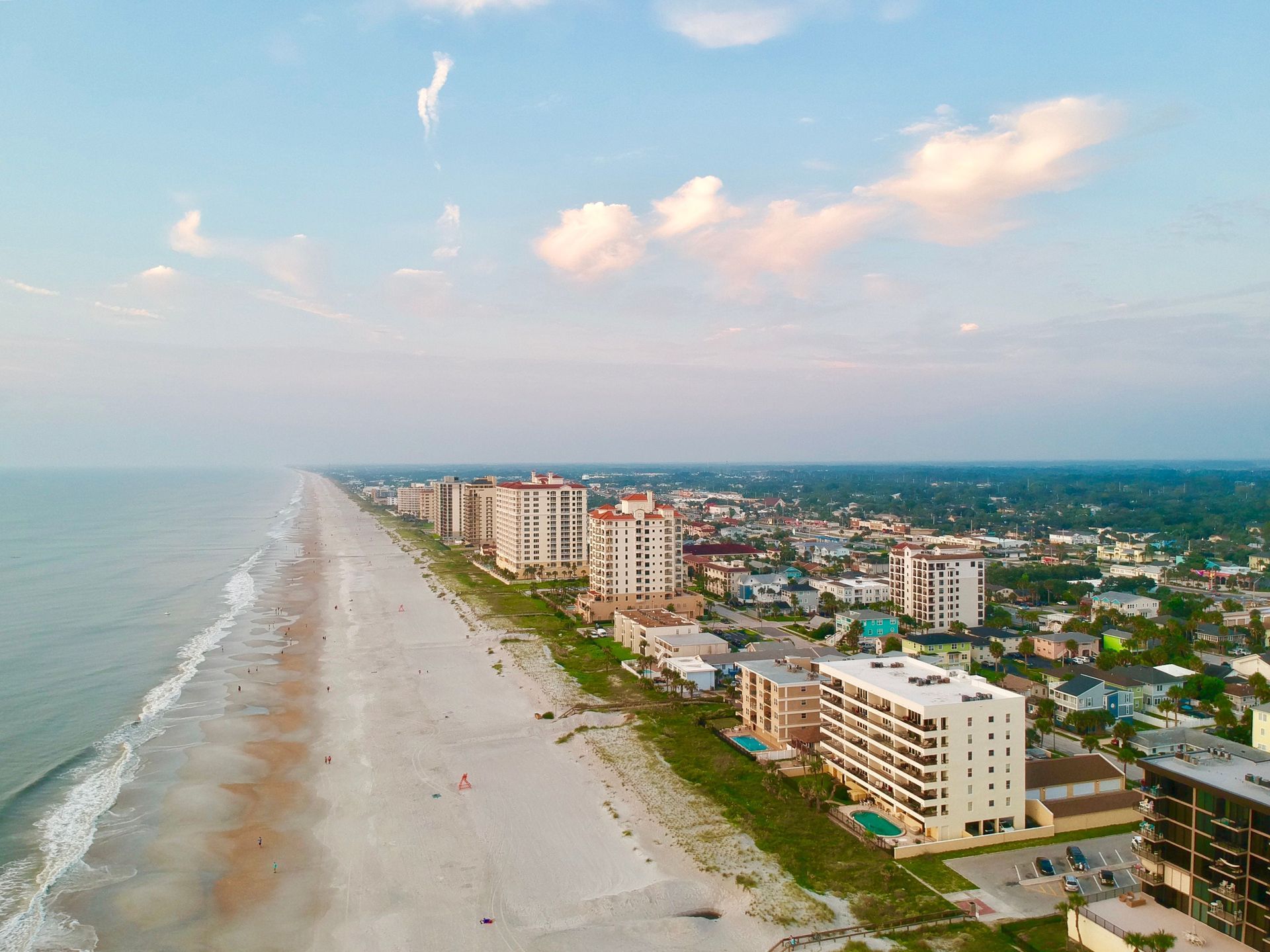
Florida is one of the harshest UV environments in the continental United States. What that means for your home's interior is worth understanding in specific terms — because the replacement costs involved are not small.
How UV Fading Actually Works
Ultraviolet radiation is the primary driver of interior fading, responsible for roughly 40 to 60 percent of all fading damage depending on the material. Visible light contributes another 25 to 30 percent, and heat contributes the remainder. This is why you can't solve the fading problem with window film that doesn't also block UV — the UV component is the heavy hitter.
UV radiation breaks down the molecular bonds in dyes, pigments, and organic materials through a process called photodegradation. It's cumulative and irreversible. There's no way to un-fade a hardwood floor or restore color to a bleached area rug. Once the damage is done, your only options are replacement or refinishing.
EPA UV Index data shows Florida consistently records UV Index values of 10 to 11-plus (Extreme) during summer months, with High to Very High readings throughout the rest of the year. Compare that to a state like Michigan, which rarely sees UV Index values above 7 or 8. Florida homeowners are operating under more intense UV load, for more months of the year, than the vast majority of the country.
What Fades Fastest in a Florida Home
Hardwood Floors
This is the most common and most expensive UV damage I see in NE Florida homes. Hardwood flooring fades through a two-part process: UV bleaches the stain and finish, while the photochemical reaction changes the underlying wood color itself. Oak develops a grayish tone. Cherry and walnut lighten significantly. The problem isn't uniform fading — it's differential fading, where areas exposed to direct window light fade faster than areas under rugs and furniture. Pull back a rug after a few years and you see a sharp discoloration line that no cleaning can fix.
Hardwood floor refinishing in northeast Florida runs $3 to $6 per square foot for sanding and recoating. A 400 square foot living area can cost $1,200 to $2,400 to refinish — and that still doesn't restore the original color if UV damage has reached the wood beneath the finish.
Wool Area Rugs
Natural fiber rugs are among the most UV-sensitive items in a home. Wool and silk rugs in the $3,000 to $10,000 range can show measurable color fading within two to three years of direct Florida sun exposure. The dyes used in hand-knotted rugs are particularly vulnerable — and once color shifts, there's no restoration. Professional cleaning removes dirt. It does not reverse UV-induced fading.
Artwork
Original oil paintings, watercolors, photography, and prints are all highly vulnerable to UV degradation. The fading in artwork is slow enough that you may not notice it week to week — but compare a piece that's hung on a sun-facing wall for five years against a photograph from when you first installed it, and the loss is often obvious. Gallery conservators treat UV protection as non-negotiable. The same logic applies at home.
Leather and Upholstered Furniture
Leather dries and cracks under prolonged UV and heat exposure. Upholstered fabric fades and weakens along the fibers directly facing the light. A sofa positioned near a south or west-facing window in Florida will show visible aging within three to five years — and it accelerates in rooms with floor-to-ceiling glass.
The Cost of Replacing vs. Protecting
A homeowner in a newer St. Johns County home with sun exposure problems might have:
- 800 square feet of hardwood in sun-exposed areas: refinishing cost $2,400–$4,800
- Two area rugs ($4,000 total replacement value)
- A leather sofa in a sun-facing sitting room ($3,500 replacement value)
- Several pieces of original artwork ($5,000+ combined)
Total replacement exposure: $15,000 to $20,000 or more. A professional window film installation covering those windows might run $1,500 to $2,500 — and it lasts 15 to 20-plus years with a manufacturer's lifetime warranty. That's the protection math. It's not close.
How Window Film Blocks UV Without Darkening the Room
The most common concern I hear when I raise the subject of residential window film for UV protection is that homeowners don't want to darken their rooms or sacrifice their views. That used to be a real limitation of older film technology. It isn't anymore.
Modern ceramic and nano-particle films can block 99% of UV radiation while allowing 60 to 75 percent of visible light to pass through. From inside the room, the difference is essentially invisible — same light quality, same view, same feel. What's been removed is the UV component you couldn't see anyway but that was doing all the damage.
The Solar Gard window film products we install include options engineered specifically for this balance — maximum UV rejection with minimal visible light reduction. For homeowners with premium interiors worth protecting, these films are among the most cost-effective protective investments available for a Florida home.
The Bottom Line
UV damage isn't a hypothetical future problem. It's happening right now, every sunny day, to every unprotected surface near your windows. The damage accumulates invisibly until you notice your floor has two different colors, your rug looks washed out, or your leather armrest has cracked. At that point, you're past prevention and into replacement costs.
If your home has hardwood floors, quality rugs, original artwork, or leather furniture, protecting those surfaces with window film costs a fraction of replacing them after the damage becomes visible.
— Chuck Cochran, Co-Founder & Master Installer, North American Tint