Window Film for Ponte Vedra Beach Homes: Blocking Heat, Protecting Views, and Staying HOA-Compliant
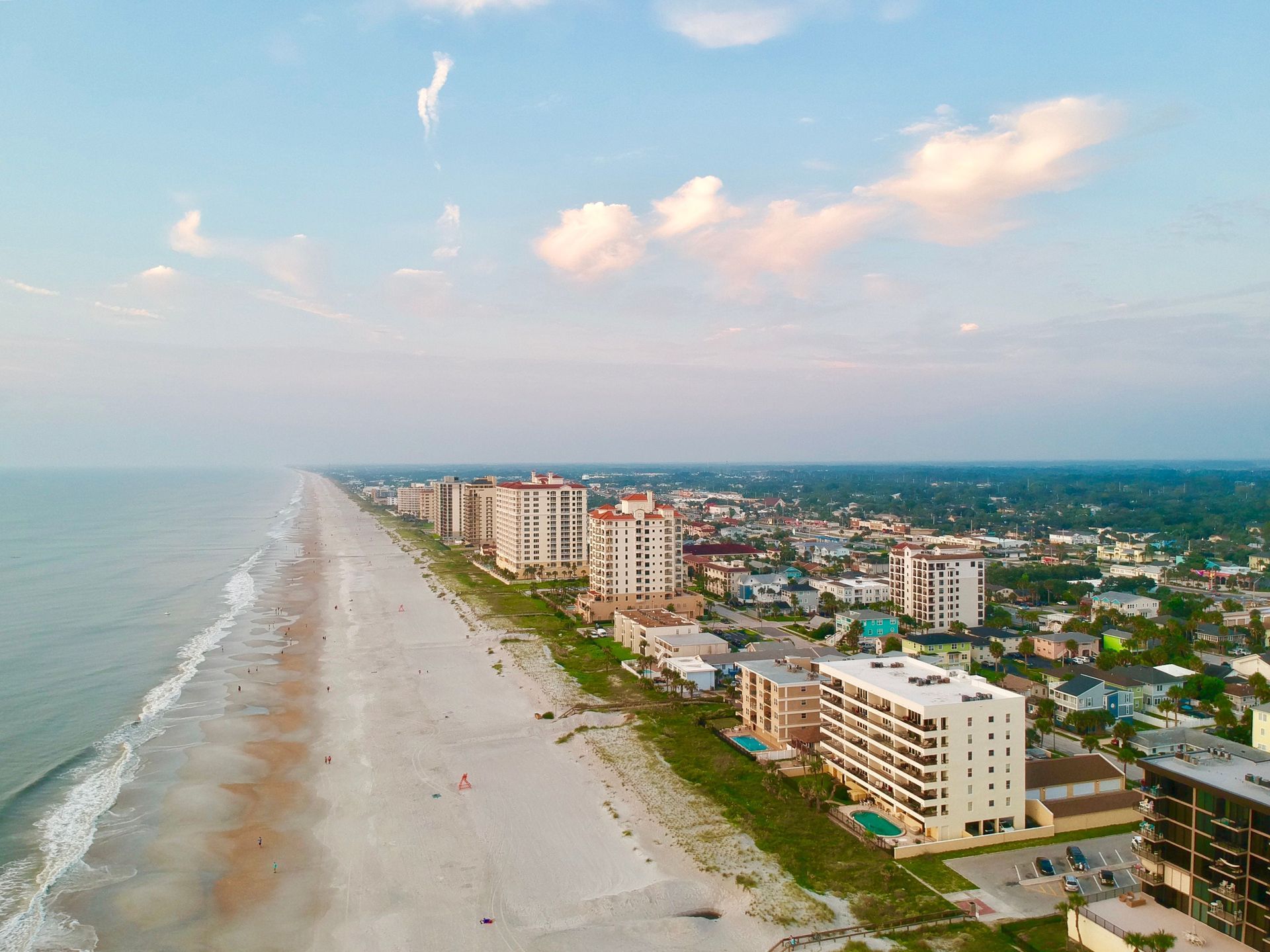
If you live in Ponte Vedra Beach, you already know what I'm about to describe: that wall of afternoon light that floods your west-facing rooms around 3 PM and turns your living room into a sauna. I've installed window film in hundreds of homes across northeast Florida, and Ponte Vedra Beach consistently comes up as one of the more challenging environments I work in. The combination of coastal UV intensity, premium interiors worth protecting, and HOA oversight makes getting this right matter more here than almost anywhere else in our service area.
Why Ponte Vedra Beach Gets Hit Harder Than Inland Florida
Most people treat sun exposure as a statewide Florida problem — and it is — but coastal communities like Ponte Vedra Beach have a few extra factors working against them.
The orientation of many PVB neighborhoods means east-facing rooms take the morning sun hard while west-facing rooms absorb the full force of afternoon heat. That afternoon sun, hitting windows between 2 PM and 6 PM during summer, is carrying peak solar heat load. That load can push interior temperatures 10 to 15 degrees higher near unfilmed windows even in a fully air-conditioned home. Your HVAC is fighting a battle it was never designed to win against that kind of direct solar gain.
Coastal areas also have more atmospheric clarity than inland regions. Cleaner air off the Atlantic sounds great until you realize it means more UV radiation reaches your windows without getting scattered. Florida already ranks among the highest states for annual UV index hours — and the coast gets even more of that exposure than you'd see in, say, Jacksonville's western suburbs or Gainesville. Salt air compounds the problem by accelerating degradation of window seals, furniture finishes, and floor coatings over time. I've seen hardwood floors and leather seating in PVB homes show serious UV and heat damage within just three or four years of a homeowner moving in.
What's Actually at Stake: The Cost of Premium Interiors
Ponte Vedra Beach homes represent significant investment — and so does what's inside them. I'm regularly working in homes with custom hardwood floors, high-end wool area rugs, original artwork, designer furniture, and architectural details that took years to choose and install. All of it is vulnerable to unfiltered solar exposure.
Hardwood floors are the most visible casualty. UV-induced fading creates differential bleaching — the areas exposed directly to sun fade at a different rate than sections shielded by rugs or furniture. Pull back a rug after a few years of sun exposure and you'll see a sharp discoloration line. Refinishing hardwood floors in this market runs $3 to $6 per square foot. For a large open-plan living area, that's a $4,000 to $8,000 repair that window film could have prevented for a fraction of the cost.
Wool area rugs in the $2,000 to $10,000 range fade measurably within a few seasons of direct sun. Leather seating cracks and discolors. Original artwork loses color saturation. Residential window film blocks up to 99% of UV radiation while significantly reducing solar heat gain. For homeowners who've put serious money into their interiors, film isn't an upgrade — it's protective infrastructure.
HOA Compliance in Ponte Vedra Beach: What You Need to Know
The question I hear most often from PVB homeowners before we even start talking about film type is: "Will my HOA approve this?"
The short answer is almost certainly yes — if you choose the right product.
Most HOAs in Ponte Vedra Beach, including communities along A1A, near TPC Sawgrass, and throughout the gated neighborhoods north of the bridge, allow window film as long as it meets their exterior appearance standards. Those standards generally mean:
- No mirrored or highly reflective film visible from the street
- No dark charcoal film that significantly alters the home's exterior appearance
- Products that maintain a neutral or bronze-toned appearance from outside
The practical good news is that modern high-performance window films — particularly ceramic and nano-carbon formulations — reject substantial solar heat while appearing nearly clear or lightly tinted from the outside. The most effective films are also often the most HOA-friendly visually.
Florida law does provide homeowners some latitude around energy-efficient improvements to their property. Florida's Homeowners Association Act includes provisions that limit an HOA's ability to prohibit certain energy-saving improvements outright, though appearance standards remain enforceable. My strong recommendation is to bring your HOA's specific window and exterior alteration guidelines to your consultation appointment. We can match film specs to those requirements, provide written product documentation for your approval submission, and help you navigate the process cleanly. Working with your HOA rather than around them is always the smoother outcome for everyone.
Choosing the Right Film for a Coastal Ponte Vedra Home
Not all films perform equally in a coastal sun environment. Based on the installations I've done throughout PVB, here's what I look for:
UV Rejection Rate
This should be 99% or higher. It's not negotiable for protecting furnishings, floors, and occupants. Most quality films from reputable manufacturers hit this mark — but cheaper films sold online often don't, and you can't tell the difference by looking at them on installation day.
Total Solar Energy Rejected (TSER)
For west-facing windows absorbing peak afternoon sun, I recommend films with 50% or higher TSER. This is the comprehensive measure of how much total solar energy — heat, UV, visible light — the film keeps out. SHGC and VLT numbers alone don't tell you the full story.
Low Interior Reflectivity at Night
Some darker films create a mirror effect on the interior after dark that homeowners find uncomfortable. Ceramic films avoid this problem while still providing excellent daytime heat and UV rejection.
Neutral Exterior Appearance
Relevant for HOA compliance and curb appeal. Look for films described as "neutral," "light bronze," or "charcoal" rather than "reflective" or "mirrored." The difference is visible from the street.
Getting Started in Ponte Vedra Beach
If you're a Ponte Vedra Beach homeowner dealing with afternoon heat, fading interiors, or HOA questions about window film, the best starting point is a site consultation before you commit to any product. I can assess your window orientation, measure solar load on your most problematic exposures, and match you to a film that performs where you need it most while meeting your community's standards.
We serve Ponte Vedra Beach as part of our broader St. Augustine window tinting coverage area — we're in this corridor regularly and typically schedule PVB consultations within a week or two. Come talk to us before you buy anything. We've navigated the HOA piece enough times that we can usually map out your film options in a single conversation.
— Chuck Cochran, Co-Founder & Master Installer, North American Tint